Waterproofing
in Paarl
Waterproofing in Paarl has a long, hot summer to survive and a wet winter to keep out. We find where the water gets in first, then quote the repair in writing.
Book an inspection
- The outlet through the parapet
- The top of the upstand, where the membrane stops
- The corner where the roof meets the wall
- A lap in the field
What we waterproof, from the roof down
Roofs first, then walls and balconies. Each page explains what usually goes wrong and how it is put right.
-
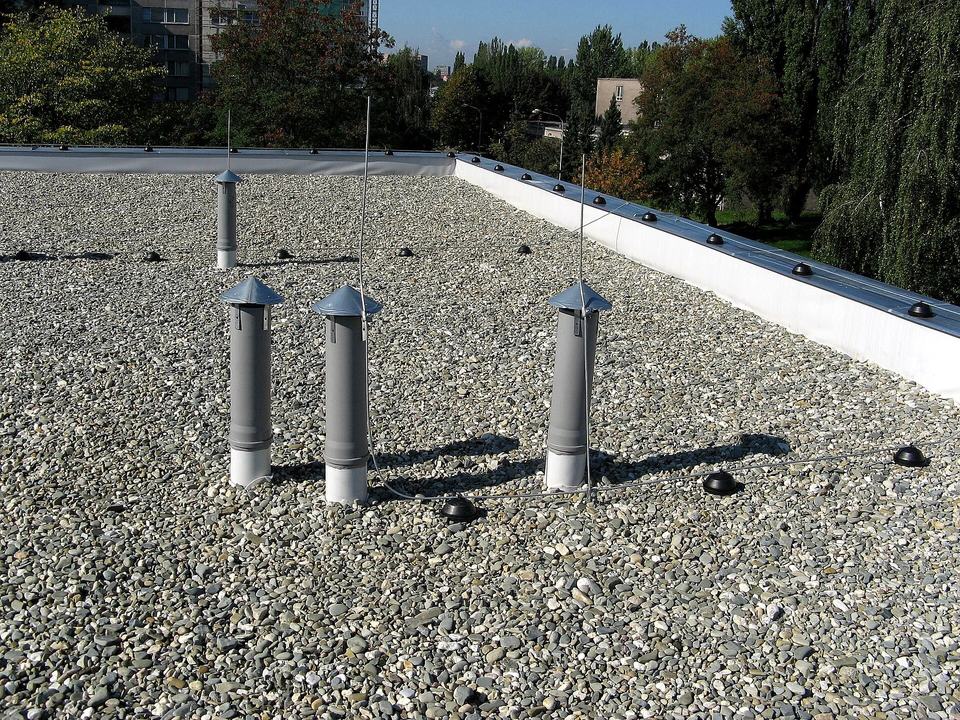
Roof waterproofing
Concrete decks, tiled pitches and sheeting, each with the system that suits it.
-
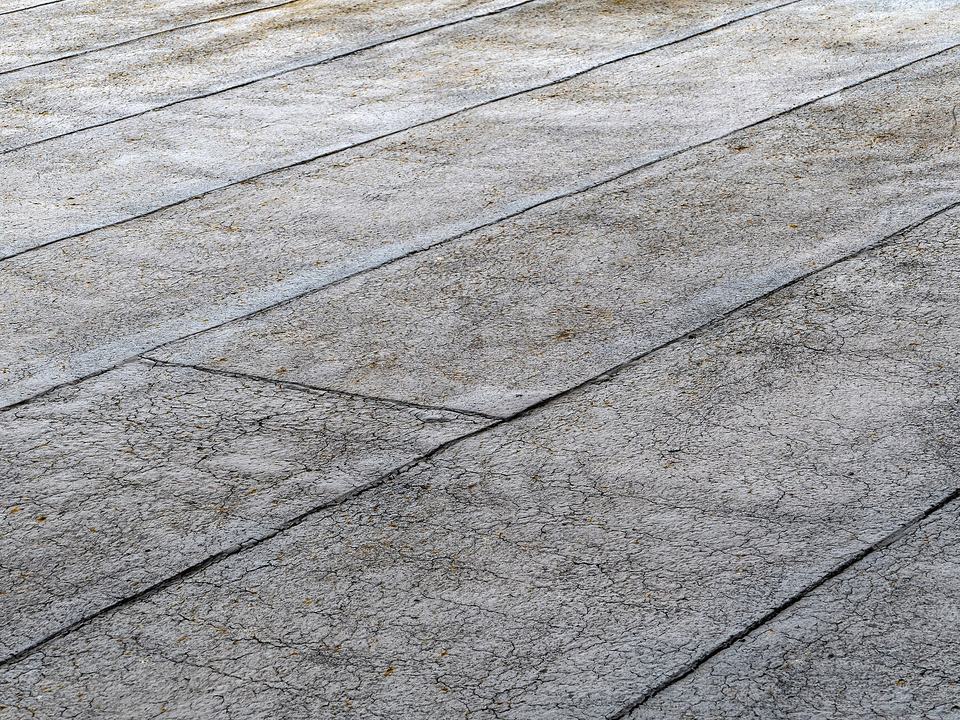
Torch-on waterproofing
Flat concrete roofs and decks, with the laps, outlets and upstands done properly.
-
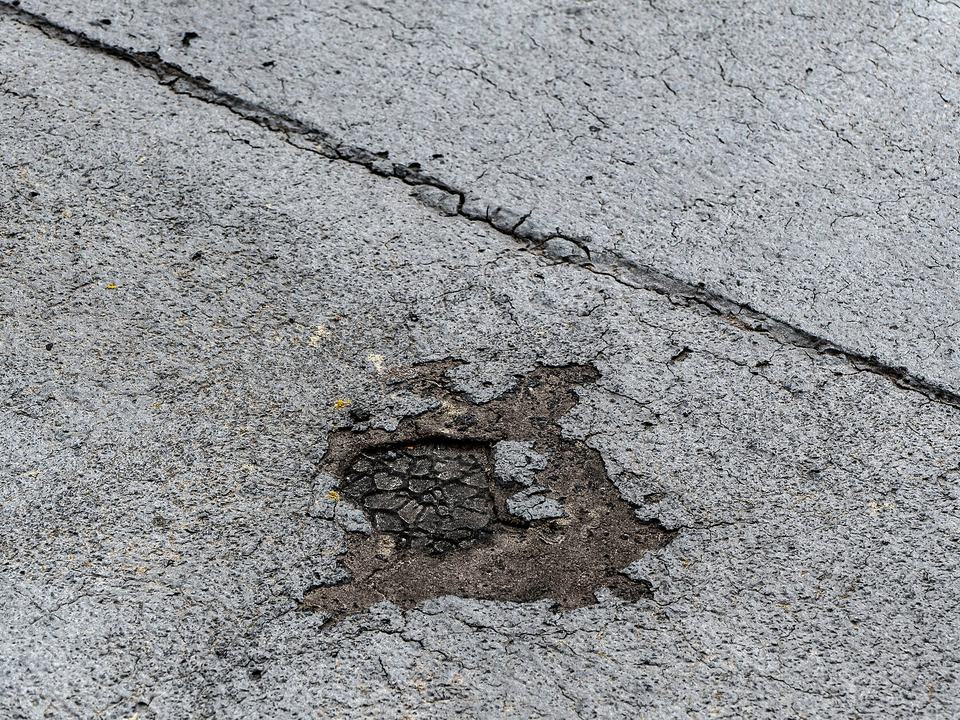
Roof leak repairs
Tiled, sheeted and flat roofs, starting with where the water actually gets in.
-
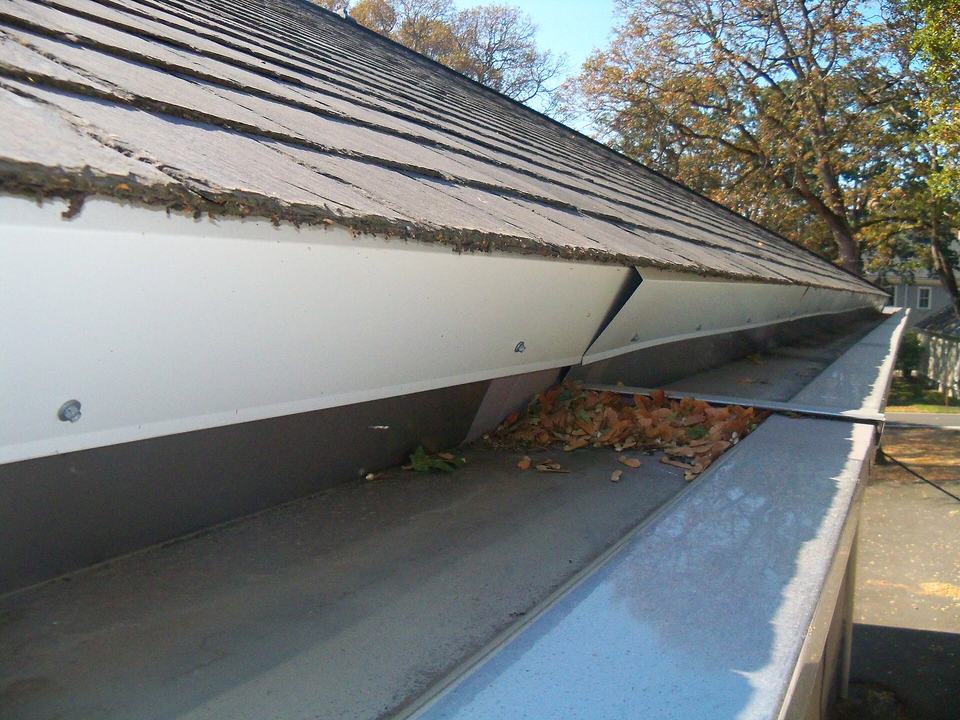
Gutters and downpipes
Installed, repaired and cleared, with every downpipe sent to stormwater.
-
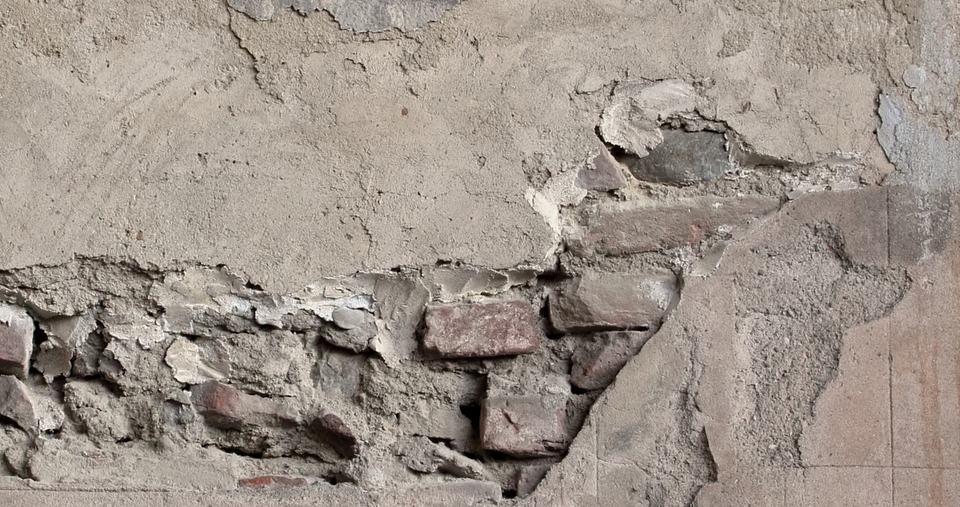
Damp proofing
Rising damp, rain through walls and condensation, told apart before anything is treated.
-
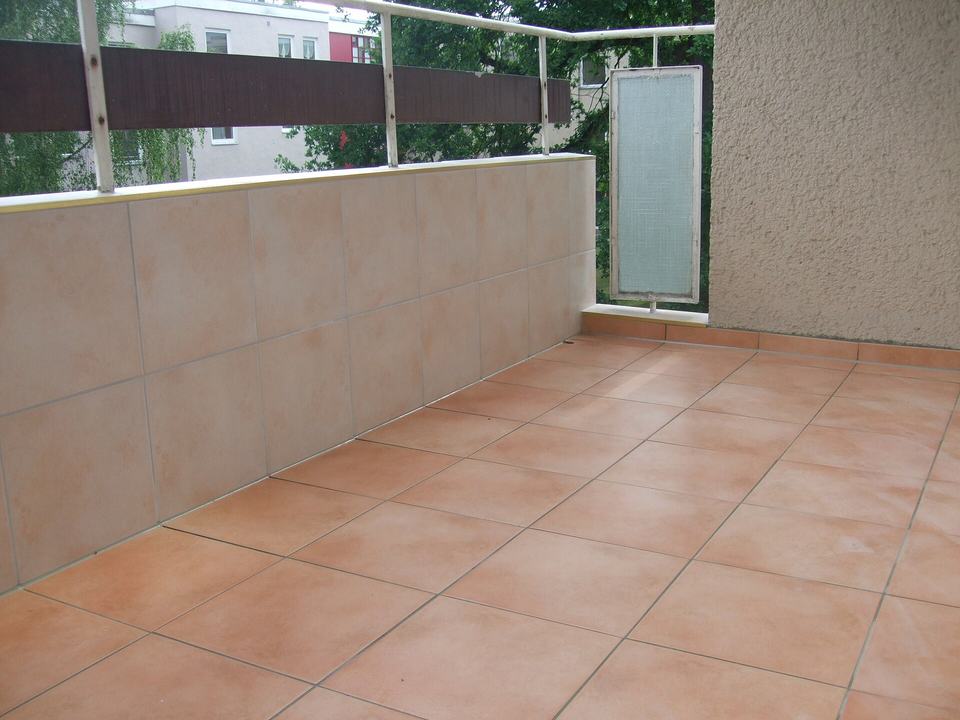
Balcony waterproofing
Tiled balconies and roof terraces, from the door threshold to the outlet.


Waterproofing fails at the edges and openings
Leaks seldom start in the middle of a roof or a balcony. They start where the waterproofing has to stop, turn or be cut: where a flat roof meets a parapet, around an outlet, along the lap between two sheets, at a pipe or a solar bracket, at a flashing against a wall. The photograph at the top of this page is marked at four of them.
That is why we look before we quote. A price per square metre covers the easy part. Whether a job lasts depends on how those details are done and on the surface underneath, so our quotes list the preparation and every detail separately.
The leak that shows in June was opened in February
Paarl’s long-term rain gauge averaged 895 mm a year from 1927 to 2004, against 523 mm at Bellville in the same government study. About seven-tenths of it falls between May and September, on cold fronts whose rain-bearing winds peak from the north-west.
Summer works on the roof in a different way. In the ERA5-Land climate record, a Paarl January averages about 17 °C at dawn and 31 °C in the afternoon, and around 100 days a year swing by 15 °C or more. SANS 10400-L asks roof waterproofing to take exactly that: ultraviolet light, -10 °C to +80 °C and rapid reversals of around 60 °C.
Over a summer, that movement and sun work at laps, flashings and sealant joints, and reflective coats wear thin. The first heavy fronts find the gaps while the roof is wet and most coatings cannot go on, which is why winter repairs so often end up as patches.
Have the roof looked at in late summer or early autumn, while it is dry and before the fronts arrive.
Sources: DWAF Berg catchment rainfall report, 2007; ERA5 and ERA5-Land via Open-Meteo, 1996 to 2025; SANS 10400-L:2011; Paarl Post, 28 January 2022.
Four things you can hold us to
Each one is written into the quote, so you can check it.
-
The way in is found before anything is sealed
We trace the water to where it enters and show you before quoting the repair. A stain is a symptom, not an address.
-
Preparation is priced on its own line
Cleaning, repairs to screed, tiles or laps, primer and drying time are listed apart from the membrane, so you can see what the job involves.
-
The quote names the problem it solves
Not only the product and the square metres, but which leak or which damp wall the work is meant to stop.
-
Repair when a repair will do
A sound membrane with a few failed details gets those details fixed. If the whole system has had its day, we say so and explain why.
How we price waterproofing
You will not find a rate per square metre here, because the membrane is rarely what decides the cost.
Every written quote lists
- What we found, and where the water gets in
- Preparation: cleaning, repairs and primer
- The system or the repair, and how many layers
- Each detail: edges, outlets, laps, flashings and pipes
- Access, and removing old material if it has to go
What changes the number
- The roof or wall type and its size
- How much of what is there can be kept
- The number of details, levels and penetrations
- Height and access
- Asbestos cement, or heritage approval on an older house
Quotes only compare when they cover the same lines. Hold each one, ours included, to the list on the left.
How a job runs
Four steps, from your first message to a dry ceiling.
Tell us what you see
Use the inspection request form. Say where the water shows and when: every rain, or only when the wind drives it.
Inspection
On the roof or at the wall, tracing the water back to where it gets in.
Written quote
The problem, the method, the preparation and every detail, each on its own line.
The work, in dry weather
Most systems need a dry surface to bond, so the work is planned around the fronts.
Cost, timing and guarantees, answered
The ones people ask before they book.
How much does waterproofing cost in Paarl?
It depends on what is being waterproofed, its condition, its size and the access. We do not price from a photograph. We inspect, then send a written quote with the preparation and each detail listed.
Do I need a waterproofer or a roofer?
If the roof covering itself is broken, such as cracked tiles, rusted sheets or rotten timber, that is roofing work. If water is getting past the edges, laps, outlets or flashings, or through a flat roof or balcony, that is waterproofing. Many leaks involve both, and the inspection tells you which.
Which months suit waterproofing work in Paarl?
Late summer and autumn, before the winter fronts. Most systems need a dry surface, and most of Paarl’s rain falls between May and September. Leaks found in winter can still be repaired between fronts.
What is the difference between a product guarantee and a workmanship guarantee?
A product guarantee is the manufacturer’s promise about the material, usually on condition that it was applied and maintained as specified. A workmanship guarantee covers how it was installed. They are separate documents and either can be voided by missed maintenance, so ask for both in writing and read what voids them.
Is waterproofing required by the building regulations?
SANS 10400-L requires any roof covering and waterproofing to resist rain penetration and sets detailed rules for flat roofs, and SANS 10400-K requires walls to resist water and rising damp. How a particular house meets them depends on its design.
How do I check a waterproofing contractor?
Ask what they found, where the water gets in and how each detail will be done. Get the quote in writing with the preparation listed, ask which guarantee covers what, and agree the payment stages and a start date in writing before work begins.
How do you avoid damaging the roof while working on it?
By walking only where a roof can take weight: on the battens of a tiled roof, along the purlin lines of sheeting, and on boards where needed. Anything near the work, such as a geyser overflow or a valley, is checked before we leave.
Which parts of Paarl do you cover?
Paarl and its suburbs in the Drakenstein Municipality, listed at the foot of this page, along with Mbekweni and Val de Vie.
Ask for an inspection
Tell us what you are seeing and where. We arrange a time to look, then send a written quote.
Inspection request
Where we work in Paarl
The suburbs and neighbouring areas we cover in the Drakenstein Municipality.
- Paarl and its suburbs, in the Drakenstein Municipality
- Amstelhof
- Bella Vista
- Bertville
- Boschenmeer Golf Estate
- Charleston Hill
- Courtrai
- Dalvale
- De Zoete Inval
- Denneburg
- Esterville
- Groenheuwel
- Groenvlei
- Klein Nederburg
- Klein Parys
- Lemoenkloof
- Mbekweni
- New Orleans
- Northern Paarl
- Southern Paarl
- Val de Vie
- Vlakkeland
- Vrykyk