Damp Proofing
in Paarl
Damp proofing in Paarl begins with working out which damp you have, because each kind needs a different fix. We diagnose first, in writing, then quote the treatment.
Book an inspection
- Plaster blown off the brick at the base
- The edge where the plaster let go
Not every damp wall has rising damp
Rising damp is water drawn up from the ground into a wall. It is real, but it is also the label put on almost every wet wall, and a treatment sold for it will not stop rain getting in at a window head, a gutter spilling down a wall, or condensation in a cold room in winter.
Heritage guidance used in Australia makes the point bluntly: not all dampness in buildings is due to rising damp, and leaking pipes, roofs and gutters can be the cause. It also warns that a moisture meter cannot easily tell a wet wall from a dry one loaded with salts, which is why the diagnosis comes before the quote.
Three damps, and Paarl has all of them
The first comes up from the ground. SANS 10400-K requires a damp-proof course across the full thickness of a solid wall, set a minimum height above the finished ground beside it. Paving raised against the wall, a flower bed heaped up or plaster carried down over the course can bridge it, and the water climbs past.
The second is driven in sideways. Winter rain in the south-western Cape comes on cold fronts whose rain-bearing winds peak from the north-west, so walls facing that way take the most. The same standard says that, in most houses, no damp patch should show on the inside of a wall, and that water getting into a wall must be able to drain or dry out.
The third is seasonal. SANS 10400-K puts Paarl on the boundary of its Southern Coastal Condensation Problem Area, where inside walls can stay wet through cold winter months. Mould on a cold outside wall in July may have nothing to do with the ground.
Ask for the diagnosis in writing: which damp, where it starts and why. A treatment quoted without one is a guess.
Sources: SANS 10400-K:2011; DWAF Berg catchment rainfall report, 2007; NSW Heritage Office, Rising damp; SAHRIS, Main Street, Paarl.
Four causes that look alike on a wall
The three damps, plus the leaking gutter or pipe that is often mistaken for one. These are the clues we read.
| Damp | Where it shows | What gives it away | What fixes it |
|---|---|---|---|
| Rising damp | Low on the wall, normally below about 1.5 m | A tide mark, salts and blown plaster near the skirting, in dry weather too | A working damp-proof course with nothing bridging it, and salt-damaged plaster replaced |
| Rain penetration | Outside walls, often round windows and under parapets | Worse in wind-driven rain, drying out between fronts | Cracks and joints sealed, sills and flashings repaired, and a wall that can dry |
| Gutter or pipe leak | Under a gutter, downpipe, geyser or pipe run | Follows the water source rather than the weather | Fix the gutter, downpipe or pipe, then let the wall dry |
| Condensation | Cold outside walls, corners, behind cupboards, bathrooms | Mould spots, worst on winter mornings in rooms with little air | Ventilation, less moisture indoors and warmer wall surfaces |
What you can hold us to on damp
Each one is written into the quote, so you can check it.
-
A written diagnosis first
Which damp it is, where it starts and what feeds it, before any treatment is quoted.
-
The cause is treated, not the stain
The quote names what is feeding the damp and how it will be stopped.
-
No plaster over a wet wall
Salt-damaged plaster comes off, and new plaster waits until the wall can take it.
How a damp job runs
Diagnosis is the first step, not an extra.
Look at the wall, inside and out
Ground levels, paving, gutters, downpipes, plaster and where the marks sit.
Diagnose in writing
Which damp it is, where it starts and what is bridging or feeding it.
Treat the cause
A damp-proof course, a gutter or a sealed wall, depending on the diagnosis.
Let it dry, then re-plaster
Salt-damaged plaster is replaced once the wall can dry, not painted over while it is wet.
How damp proofing is priced
By the cause and the length of wall affected.
What the written quote lists
- The diagnosis, and what the treatment is meant to stop
- The treatment, measured per wall or per metre
- Removing salt-damaged plaster
- Re-plastering, once the wall is dry enough
- Lowering paving or soil where it bridges the damp-proof course
What moves the number
- Which damp it is, and whether there is more than one
- The wall’s thickness and what it is built of
- How far the salts have spread through the plaster
- Whether the house is older than 60 years or in Paarl Central
Compare damp quotes wall by wall: which walls, to what height, and whether the re-plastering is included.
Tide marks, mould and injections, explained
Asked about tide marks, mould and treatments that did not last.
How much does damp proofing cost in Paarl?
It depends on which damp it is, how much wall is affected, the wall’s thickness and how much plaster has to come off. We diagnose first and quote per wall in writing.
How do I know if it is rising damp?
Rising damp sits low on the wall, shows in dry weather as well as wet, and leaves salts and a tide mark. Damp that comes and goes with the rain, or sits high on a wall or around a window, has another cause.
Does an injected damp-proof course work?
It can, where it is the right treatment and is done properly. Heritage guidance used in Australia notes that the repellent must reach through the entire wall thickness, which can be hard to ensure. It will not cure rain penetration or condensation.
Why did the damp come back after re-plastering?
Usually because the wall was plastered while still wet or full of salts, or because the cause was never removed. Paving or soil above the damp-proof course, or new plaster carried down over it, bridges it again.
Can I just use damp-proof paint?
A coat of paint does not stop water moving through a wall; it only changes where the marks show. Find and stop the cause first.
Is the mould in my bedroom rising damp?
Often not. Mould high on a cold outside wall or in the corners, worst in winter, points to condensation. SANS 10400-K places Paarl on the boundary of a winter condensation area, and ventilation and indoor moisture are the usual fixes.
My house is old. Do I need permission for damp work?
If the structure is older than 60 years, altering it needs a Heritage Western Cape permit, and in the Paarl Central special character area the municipality’s permission is needed for changes to buildings. Old walls built with lime need care too: research at the Cape Peninsula University of Technology found that Portland cement repairs speed up the decay of heritage masonry.
How high should the damp-proof course be?
SANS 10400-K says no horizontal damp-proof course may be less than 150 mm above the adjacent finished ground. If paving or a flower bed has been built up above it over the years, it can no longer do its job.
When the water comes from elsewhere
Damp on a wall often starts at one of these.
-
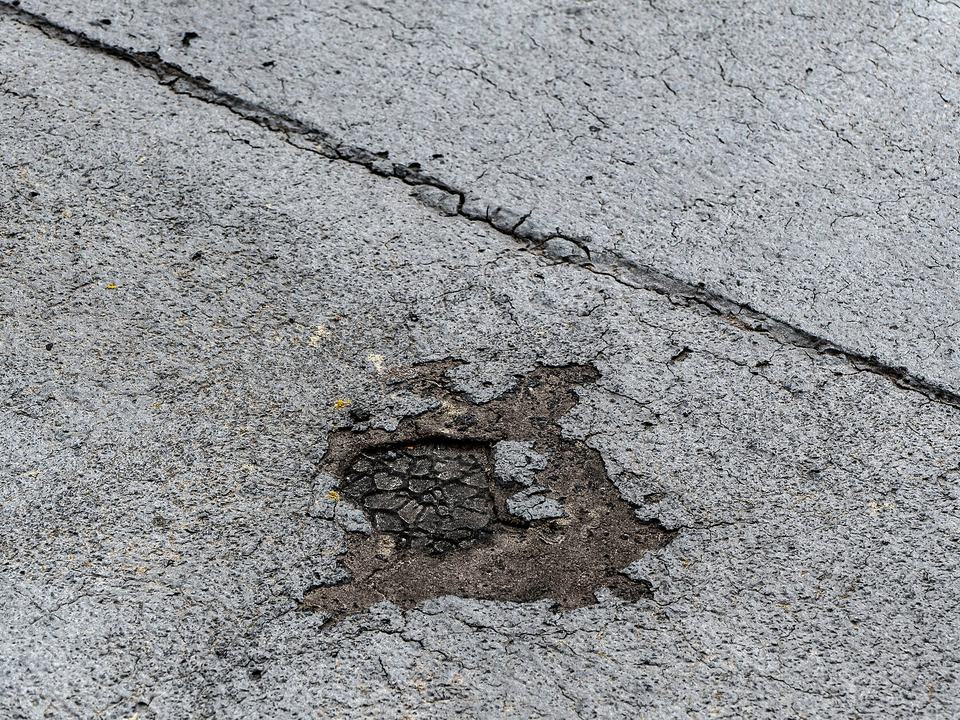 Roof leak repairs
When the wet patch is high on a wall or on the ceiling.
-
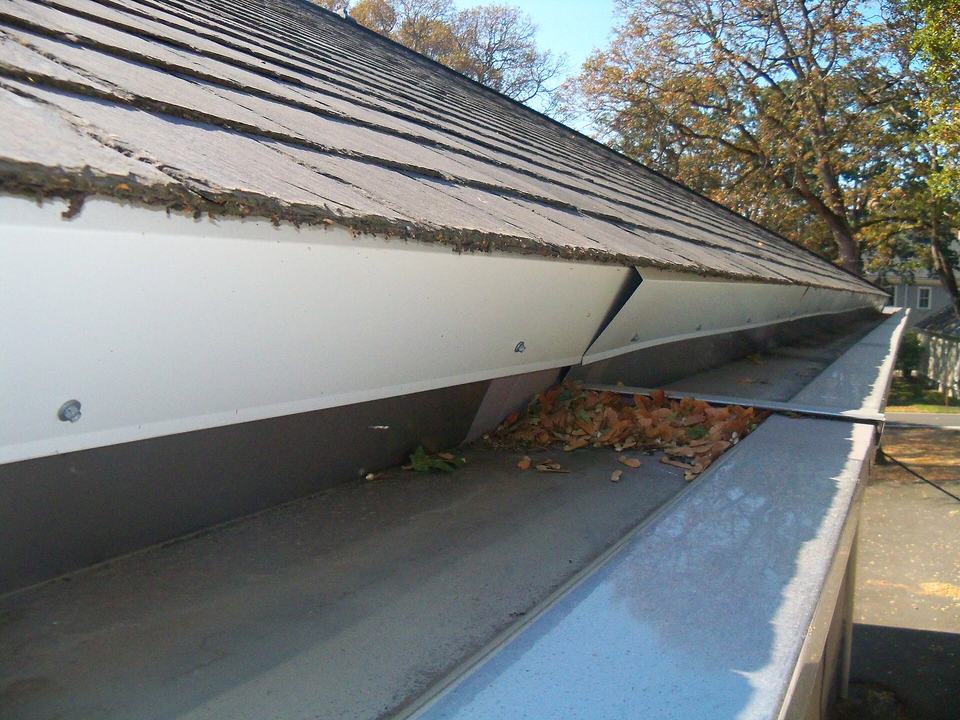 Gutters and downpipes
An overflowing gutter can soak a wall from the top down.
-
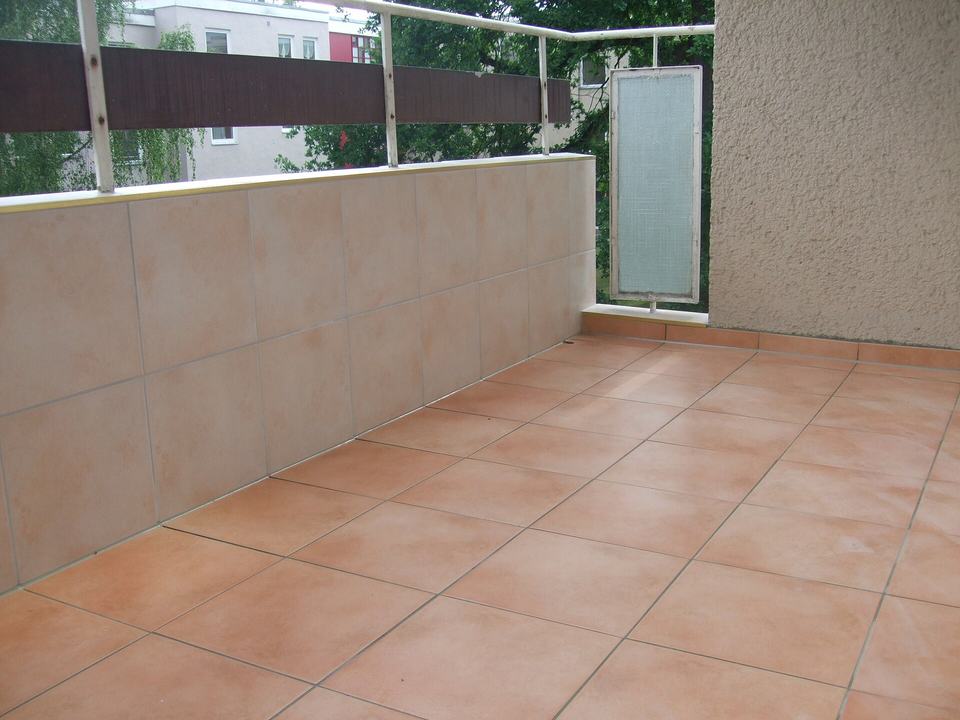 Balcony waterproofing
Damp under or beside a balcony usually starts on the balcony.


All our services are listed on the Paarl waterproofing home page.
Ask for a damp diagnosis
Tell us which walls, how high the marks go, and whether they change with the weather.
Inspection request
Damp walls across Paarl
Damp walls in Paarl, from the older streets near Main Road to the estates.
- Paarl and its suburbs, in the Drakenstein Municipality
- Amstelhof
- Bella Vista
- Bertville
- Boschenmeer Golf Estate
- Charleston Hill
- Courtrai
- Dalvale
- De Zoete Inval
- Denneburg
- Esterville
- Groenheuwel
- Groenvlei
- Klein Nederburg
- Klein Parys
- Lemoenkloof
- Mbekweni
- New Orleans
- Northern Paarl
- Southern Paarl
- Val de Vie
- Vlakkeland
- Vrykyk