Torch-On Waterproofing
in Paarl
Torch-on waterproofing in Paarl suits flat concrete roofs and decks, provided the roof underneath has proper falls, a dry screed and well-formed edges. We inspect the deck, then quote every detail in writing.
Book an inspection
- Where an end lap meets a side lap
- A side lap
Torch-on fails at its laps and edges, rarely mid-sheet
A torch-on membrane is a bitumen sheet melted onto a primed deck with a gas flame, each sheet lapped over the last. Across the open field it is tough. The weak points are the places someone has to work by hand: the laps, the turn-ups against walls and parapets, and the outlets.
A 2023 trade-press article on substandard torch-on work put it plainly: outlets are seldom fully dressed, laps are rarely sealed correctly, and overheating the sheet while laying it damages it. Those are the details our quotes describe one by one.
The numbers a flat roof should be built to
SANS 10400-L gives flat roofs rules anyone can check: a minimum fall to the outlets, a minimum upstand where masonry meets the concrete, and a rounded cove in every internal corner, with the figures in the panel. The turn-up is counter-flashed and cut 40 mm into the wall, and outlets sit flush, at least 500 mm from upstands, so water reaches them instead of pooling.
The deck must also be dry, inside the moisture limits the standard sets for concrete and screeds. It even suggests a polymer modifier in screeds laid during the rainy season in winter-rainfall areas, and in Paarl about seven-tenths of the rain falls between May and September.
The finishing coat has its own window. One South African data sheet for an aluminium bitumen coating rules out rain, direct sunlight and surfaces above 50 °C, which in a Paarl January, with afternoons around 31 °C, means early starts.
Ask any contractor, us included, how each of these will be done. A quote that only gives square metres has not answered.
Sources: SANS 10400-L:2011; ERA5 rainfall split, 1996 to 2025; a South African aluminium roof coating data sheet; ERA5-Land via Open-Meteo, 1996 to 2025.
What gets checked on a flat roof before a quote
Six things we look at, because each one changes the job.
Falls and ponding
Where water stands after rain. A roof that ponds needs its falls corrected, or it shortens the life of any membrane laid on it.
The screed
Cracked, hollow or damp screed has to be repaired or dried before a membrane is bonded to it.
Outlets
Their size, their position and how the membrane is dressed into them. Outlets carry the most water for the longest.
Upstands and parapets
Height, the cove at the corner, and whether the membrane is tucked into the wall or simply stops.
Laps
Whether they are bonded along their full width or lifting at the edge.
Penetrations
Pipes, tank and solar stands, and aerials. The standard wants them kept 200 mm from walls and out of the low points.
What you can hold us to on a flat roof
Each one is written into the quote, so you can check it.
-
Every edge detail on the quote
Laps, upstands, coves, outlets and pipe collars are each written up, not left inside a square-metre rate.
-
A dry deck before the torch is lit
No membrane goes onto a wet screed to keep a date.
-
The reflective coat on the quote
The protective coat is listed with the membrane, and so is when it should be renewed.
How a torch-on job runs
The torch only comes out at step four.
Inspect the deck
Falls, screed, outlets and edges, and what the old membrane is doing.
Written quote
System, layers, preparation and each detail, itemised.
Prepare
Strip where needed, repair the screed, form coves, prime, and wait for a dry deck.
Lay and coat
Sheets laid with full laps, edges and outlets dressed, then the reflective coat in suitable weather.
How torch-on is priced
Square metres are one line among several.
What the written quote lists
- Stripping the old layer, if it cannot stay
- Screed repairs or correcting the falls
- Primer and the membrane, with the number of layers
- Coves, upstands, outlets and pipe collars
- The reflective coat
What moves the number
- The state of the screed underneath
- How many outlets, pipes and changes of level there are
- One layer or two
- Height, and access for gas bottles and rolls
- Whether a tank or solar stand has to be lifted and re-set
If a quote gives one rate per square metre and nothing else, ask what it includes at the edges.
Blisters, silver paint and winter work, explained
About flat roofs, membranes and the silver coat.
What does torch-on waterproofing cost in Paarl?
It depends on the size of the roof, the state of the screed, the number of outlets and pipes, and whether the old membrane comes off. We price each of those on the written quote after looking at the deck.
How long does a torch-on roof last?
SANS 10400-L expects roof waterproofing products to keep their properties for at least 10 years with normal maintenance where they can be readily repaired. How long a particular roof lasts depends on its details, its falls and its upkeep, so be wary of any single figure.
Why is my torch-on blistering?
Blisters usually mean moisture or air trapped under the membrane, often from a damp deck or a sheet that was not fully bonded. The standard notes that delamination from dense concrete can come from trapped moisture vapour. A few blisters can be cut and patched; widespread blistering means the bond has gone.
Does torch-on need the silver paint?
A bitumen membrane left bare in the sun ages faster. One South African coating data sheet describes its aluminium bitumen coat as protection for bitumen waterproofing exposed to UV, and a 2023 trade article recommended two thin coats. It needs renewing as it wears.
Can torch-on be laid in winter?
Repairs, yes, between fronts. A full installation needs a dry deck, and the standard caps the moisture in concrete and screeds before waterproofing. In Paarl, where most of the rain falls between May and September, summer and autumn suit big jobs better.
What is the difference between one layer and two?
A second layer adds thickness and staggers the laps so they do not sit on top of each other. Whether a roof needs two depends on foot traffic, exposure and what the manufacturer specifies for that system.
Is the open flame a fire risk?
It can be, which is why work near timber, fascias, roof insulation and anything else that burns is planned before the torch is lit. Tell us about anything stored against the roof edge or under an overhang.
What should a torch-on quote include?
The number of layers, the preparation, how the laps, upstands and outlets will be finished, whether the old layer comes off, and the reflective coat. If any of those is missing, ask.
Related flat roof work
Torch-on is one way of waterproofing. These pages cover the others.
-
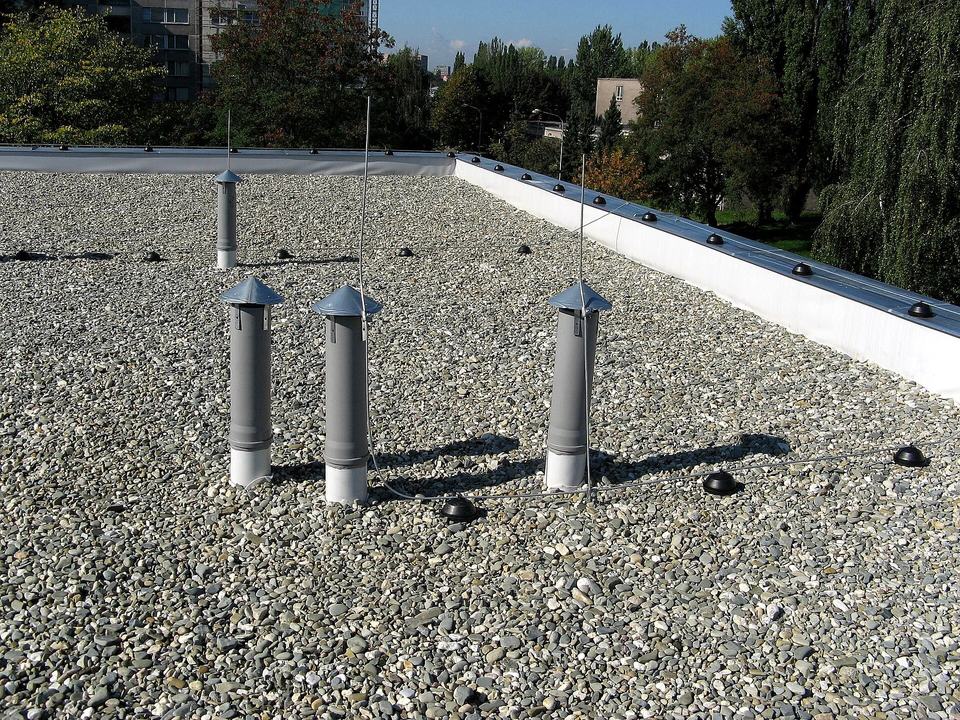 Roof waterproofing
When the roof is tiled or sheeted rather than a flat deck.
-
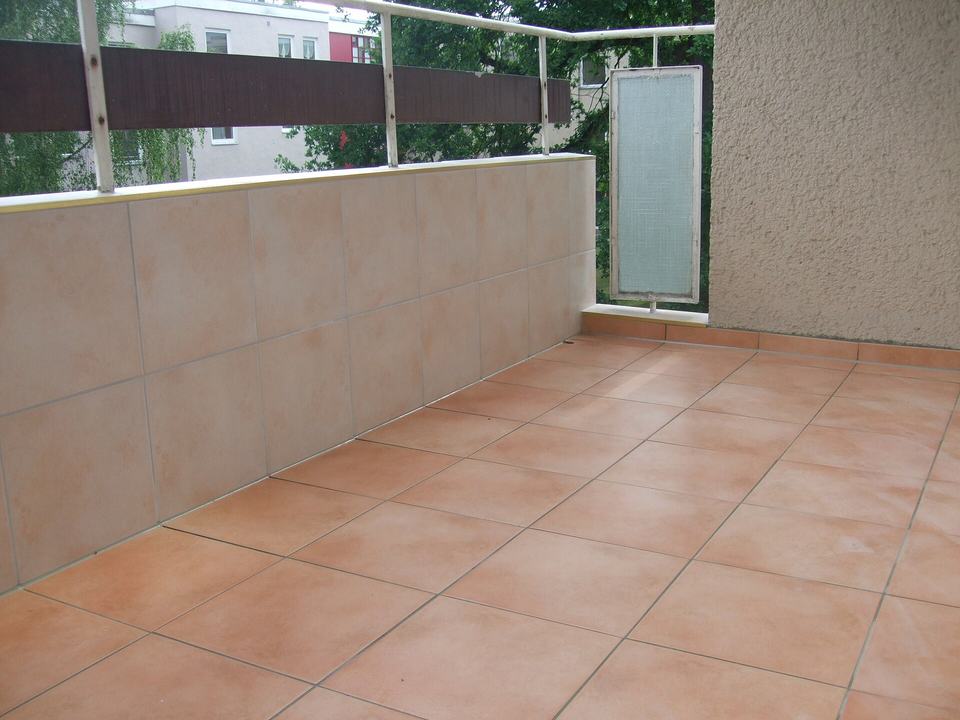 Balcony waterproofing
Balconies and roof terraces take the same kind of membrane, with tiles on top.
-
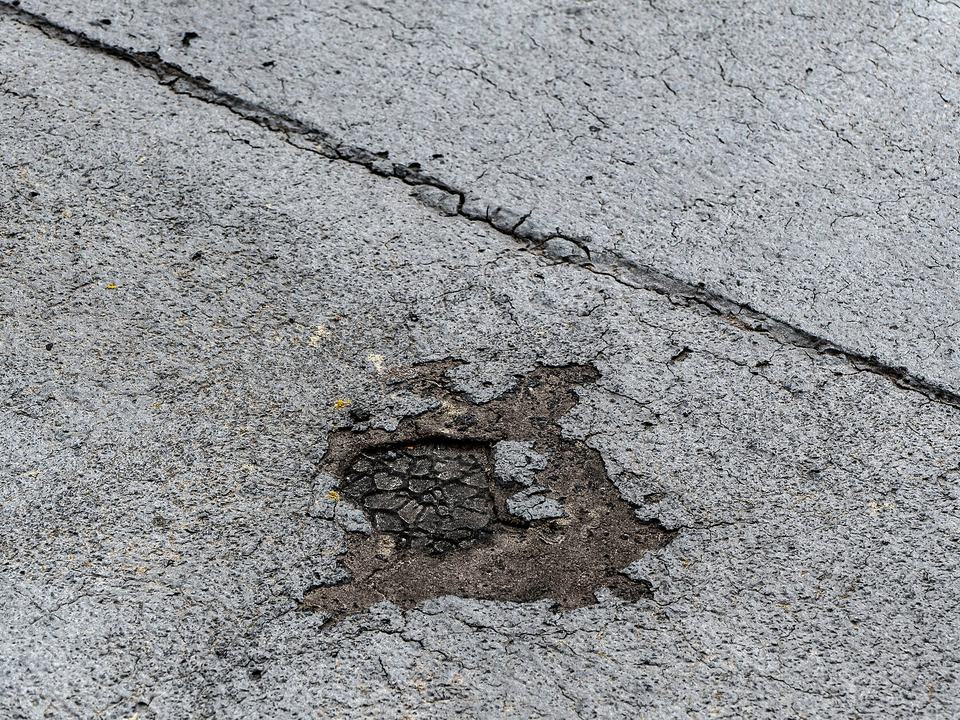 Roof leak repairs
When a flat roof is leaking now and the entry point has to be found.


More on waterproofing Paarl homes, from roofs to damp walls.
Ask us to look at your flat roof
Say roughly how big the deck is and whether it leaks now. We inspect the falls, screed and edges before quoting.
Inspection request
Flat roofs across Paarl
Flat roofs and decks across Paarl, from older houses to new estates.
- Paarl and its suburbs, in the Drakenstein Municipality
- Amstelhof
- Bella Vista
- Bertville
- Boschenmeer Golf Estate
- Charleston Hill
- Courtrai
- Dalvale
- De Zoete Inval
- Denneburg
- Esterville
- Groenheuwel
- Groenvlei
- Klein Nederburg
- Klein Parys
- Lemoenkloof
- Mbekweni
- New Orleans
- Northern Paarl
- Southern Paarl
- Val de Vie
- Vlakkeland
- Vrykyk